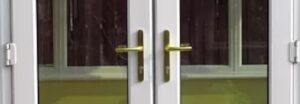
This Week's Most Popular Stories About Door Locks Repair Door Locks Repair
Understanding Door Locks Repair: A Comprehensive Guide
Door locks are important components of any secure environment, whether in residential, commercial, or automotive contexts. Gradually, these systems might wear down, breakdown, or perhaps break, necessitating repairs. Understanding how to handle door lock repairs can conserve people time, money, and the trouble of compromised security. This post looks into common door locks issues, steps for fixing various kinds of locks, and when it might be necessary to call a professional.
Common Door Lock Issues
Before diving into repair strategies, it's important to recognize common issues that may arise with door locks:
- Sticking or Jammed Locks: A lock that is tough to turn or sticks can be a sign of internal issues or dirt accumulation.
- Secret Won't Turn: This can take place due to misalignment, a broken key, or internal blockages within the lock.
- Loose or Wobbly Lock: Hardware or screws might end up being loose in time, impacting the lock's stability.
- Broken or Bending Keys: Keys can bend, break, or wear down, making locking mechanisms dysfunctional.
- Lock not Latching: If a lock doesn't engage when the door is closed, this shows positioning issues or element failure.
- Electronic Lock Failure: For keyless entry systems, electronic failures can render the lock worthless.
Acknowledging these signs can aid in identifying the appropriate repair actions.
Vital Tools for Lock Repair
Before starting the repair, homeowners and occupants need to collect required tools, including:
- Screwdrivers (Phillips and flathead)
- Pliers
- A hammer
- Lube (graphite or silicone-based)
- Replacement screws or keys
- A new lockset (if essential)
- Cleaning fabric or brush
Having these tools prepared enables for a smoother repair process.
Repairing Sticking and Jammed Locks
Step-by-Step Approach
- Examine the Lock: Start by aesthetically examining the lock for any visible damage or misalignment.
- Tidy the Lock: Remove any dirt or debris using a cleaning cloth or a soft-bristled brush. Accumulation can hinder the lock's functionality.
- Oil: Apply a small amount of lubricant into the keyhole and on the moving parts. Prevent using excessive product, as it can draw in dust.
- Evaluate the Key: Insert the secret and turn it gently. If it still sticks, further inspection might be required.
When to Replace
If cleansing and lubricating don't solve the concern, the lock might be broken and need replacement.
Resolving Issues with Keys
Fixing Broken Keys
If a key is broken within the lock, take the following actions:
- Extract the Key: Use pliers to carefully take out the broken piece. If handle bar repair , a lock extraction kit might be needed.
- Produce a Copy: If you still have the intact part of the key, take it to a locksmith professional or a hardware store for duplication.
Handling Bending Keys
- Correct the alignment of the Key: If the secret is a little bent, carefully attempt to align it utilizing pliers.
- Replace the Key: If the key is used, think about having a brand-new one made.
Fixing Loose or Wobbly Locks
Step-by-Step Approach
- Tighten up Screws: Use a screwdriver to tighten any visible screws on the lock. This effort can typically stabilize the lock.
- Check the Strike Plate: Ensure that the strike plate is effectively lined up. If misaligned, it might require repositioning.
- Reinforce with Specialist Tools: If screws continue to loosen up, think about utilizing lock washers or wood glue to strengthen the hold.
Lock Not Latching
This problem often comes from misalignment instead of lock failure. To resolve this:
- Inspect Door Alignment: Check if the door settles properly within the frame.
- Adjust Hinges: Sometimes, changing the screws on the hinges can straighten the door.
- Reposition Strike Plate: The strike plate may require shifting to guarantee it lines up with the bolt.
Taking On Electronic Lock Failures
If an electronic lock stops working to work:
- Check the Batteries: Often, dead batteries can cause the electronic lock to stop working.
- Examine Wiring: Look for noticeable signs of damage in the circuitry if the batteries are functional.
- Reset the Lock: Many electronic locks have a reset function; seek advice from the user handbook for directions.
- Replacement: If all else fails, consider changing the lock.
When to Call a Professional
While lots of door lock repairs can be completed independently, there are times when professional assistance is needed:
- If the lock is significantly harmed or has multiple issues.
- If a key is lost and replacement is required right away.
- If the lock becomes part of a detailed security system.
- If DIY efforts do not fix the issue and dangers even more damage.
FAQs about Door Locks Repair
How frequently should I lubricate my door locks?
Locks ought to be lubricated a minimum of once a year or whenever you discover sticking or difficulty in turning the secret.
Can I replace a lock myself?
Yes, many locks can be replaced with fundamental tools and directions, making it a possible DIY task for a lot of homeowners.
What kind of lube is best for locks?
Graphite or silicone-based lubricants are normally advised as they do not draw in dust like oil-based items.
How do I understand if my lock needs replacement rather of repair?
If the crucial often jams, the lock is discolored, or the internal mechanism sounds broken, it might be time for a replacement.
Is it worth investing in a higher-security lock?
Yes, particularly for homes in high-crime areas or for valuable residential or commercial properties. Higher-security locks can deter break-ins and supply assurance.
In conclusion, comprehending how to handle door locks repair is essential for maintaining security and functionality. With the right tools, knowledge, and a little perseverance, many common issues can be tackled successfully. However, knowing when to call a professional is similarly crucial, ensuring that security and security stay uncompromised.